
A delivery can also contain cardboard, foil, paper filler and smaller plastic parts. For disposal, these components should be considered as separate as possible. The material of the outer box says little about where all other parts belong.
Remove the packaging first
Remove loose fillers and insoles. Separate easily detachable paper and plastic components. Remove personal details on shipping labels. Check whether cartons, cushions or bags are clean and stable enough for further use. What you store should be stored in an orderly and dry manner.
Paper and paperboard
Clean paper packaging and corrugated board are basically part of the waste paper collection in Germany. Fold boxes flat. Large quantities may be delivered to a value-added holding, depending on local rules. Highly polluted or greasy areas are not suitable waste paper fractions.
A pizza box is therefore assessed according to its condition: Remove food residues and collect clean areas separately if necessary. Beverage cartons, on the other hand, consist of several layers of material and normally belong in the light packaging collection.
Films and composite packaging
Residual empty plastic packaging and many composite packaging are usually collected via yellow ton or yellow sack. Regional recyclable tons can have more detailed rules. In case of an air cushion envelope, it helps to remove a separable foil insert from the paper cover. Inseparable constructions must be assessed according to the actual structure and local sorting instructions.
Glass and smaller containers
Packaging glass is placed in the intended glass collection. Other glass products, such as drinking glasses, mirrors or window glass, are not ordinary glass packaging. For cosmetic packaging, the structure can be different: plastic bottle, glass container, metal part and outer cardboard box are to be considered separately.
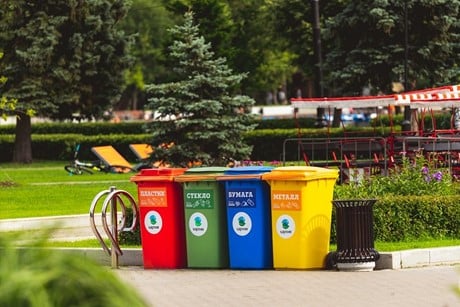
The German basic separation explains the Federal Environment Agency. In case of special cases, use the local wasteABC; Polish tons of colours and specifications from the original are not transmitted at all.
Plan your own process for farms
A shipping warehouse can generate larger quantities of pure corrugated board and foil. Collecting points at the unpacking site, clear labels and an appropriate pick-up rhythm facilitate separation. Vote acceptance terms and quantities with your commercial disposer. Keep contaminated materials out of the clean fabric streams.
Re-use before disposal
A stable shipping box can accommodate a second shipment. Upholstered paper can fill another cavity. Intact bubble wrap can protect sensitive surfaces again. However, check with each application whether the original protective effect still exists. A neatly folded stock of material helps to reuse; however, a disorderly collection of damaged remains rarely.
Comments
No comments yet. Share your experiences on this topic.