
A privately sold item needs the same careful transport protection as a new item. A message about the successful sale is therefore the right time to check packaging, dimensions and condition. This guide focuses on packing. Booking, payment and permissible package dimensions are based on the current conditions of the sales platform used and the selected shipping service.
Check condition and individual parts before packing
Compare the item with the description of your offer. Check whether accessories, removable parts and, where appropriate, an instruction manual are complete. A few factual photos can support your own documentation. Remove visible dirt and let wet places dry before packing the goods. Dirty or wet upholstery can affect sensitive surfaces.
Removable accessories pack separately so that they do not scrub at the main object. Protect protruding corners and edges matching the material. For electronics, please refer to the manufacturer’s instructions, for example for dealing with batteries or sensitive components. Not every product may be shipped via an ordinary parcel service; clarify restrictions before closing.
Matching outer packaging and cushions
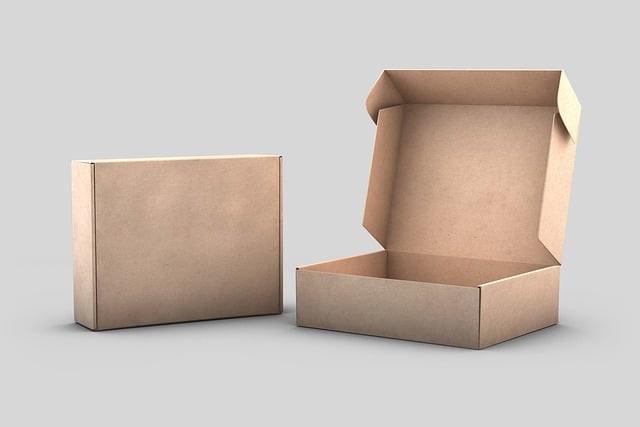
Choose a cardboard box that offers enough space for goods and protective material without being unnecessarily large. A used carton can be suitable if walls, edges and floor are still stable. Remove old shipping labels and cover remaining barcodes. Soft, damp or torn boxes should not be used as a new shipping package.
Upholster the goods so that they do not have direct contact with the outside wall. Fill free spaces and avoid hard accessories right next to sensitive surfaces. Carefully move the still open carton: the contents should not move significantly. A loose ball of paper over a freely movable object is often not enough as a fixation.
Close, measure and check the label
Close the bottom and lid with suitable packing tape. The flaps should lie on top of each other without having to squeeze an overfilled carton. Measure and weigh the finished package, not just the unpacked goods. Packaging material and protruding parts change the actual shipping dimensions and can influence the permissible package class.
Place the new label on a flat surface in a legible manner. It must not be folded over an edge or an opening seam. Check receiver, address and barcode again. A packaging with clear marking and fixed content facilitates processing; it is nevertheless not a guarantee against any damage in transport.
Comments
No comments yet. Share your experiences on this topic.