
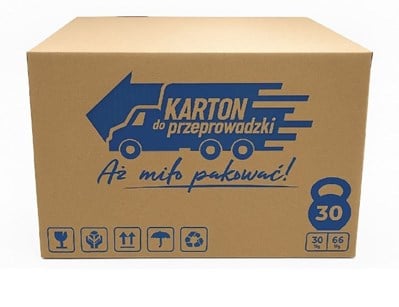
A move becomes clearer when cartons, material and order are planned in time. The matching box not only protects the content. It can also be properly worn, stacked and found in the new location.
Evaluate the need for content
Go through space by space and sort by commodity type. Books and dishes require smaller, resilient boxes. Light textiles can be accommodated in larger cartons. The living space alone does not provide a reliable number of cartons: Two equally large apartments can contain very different stocks.
Write down existing suitable cartons and complete missing formats. Plan upholstery, packing tape, markers and, if necessary, matching inserts. Keep important documents, keys, medications and things separately available for the first day.
Design and handling
A durable floor and appropriately closed flaps are important. Handle holes help to carry, but must not be understood as a general load guarantee. Note the particulars of the concrete box and fill it so that it can be raised safely. A half full of small bookbox can be more practical than an overloaded large box.
Packing special content appropriately
- Glass and dishes: Upholster individual pieces and separate them from each other.
- Hanging clothes: Suitable dress boxes with bars can facilitate rooming.
- Blankets and pillows: Use larger clean boxes without needing to compress them.
- Electronics: If available, use the appropriate original packaging and its molded parts.
- Bottles: Insulations and separation according to the weight and shape.
- Office records: Order by operations or departments and mark clearly.
Systematic labeling
Each carton has a target space, short content and, if necessary, the opening priority. Write the information on more than one visible page. For a larger move, numbers and a short list can help. Avoid publicly readable sensitive information for personal or operational documents.
Pack order and transport
- Rarely needed things to pack first.
- Distribute heavy content to handy units.
- Protect sensitive objects individually and close cavities appropriately.
- Close lid without pressure on the contents.
- Pack cartons according to their stability and contents; do not place heavy units on sensitive boxes.
A household move and a company move require different planning. In a company, ongoing work processes, responsibilities and access to documents are added. Treat such stocks as separate areas with clear order.
After the move
Check for further use of cartons, fold suitable samples flat and store them dry. The rest is separated according to material and local rules. A well-organized packaging facilitates unpacking as well as later sorting of the materials.
Comments
No comments yet. Share your experiences on this topic.