
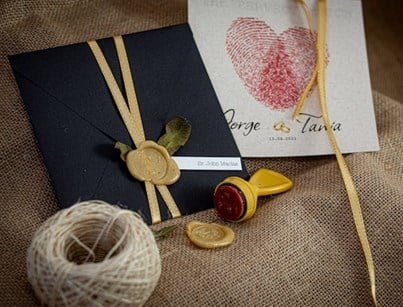
The envelope is the first thing guests see from an invitation. In addition to color and paper feel, size, closure and legibility of the address must be correct. A matching pattern prevents that a finished invitation with inserts later does not fit into the selected envelope.
Measure with the full invitation
Put card, response card and all depositors together. Measure the stack in actual shipping condition. Wax seals, bows and sublime ornaments need additional space. Choose an envelope with some room for manoeuvre, but avoid unnecessary large formats in which the card wanders.
Common formats give orientation: C6 measures 114 × 162 mm and often fits A6 cards; C5 measures 162 × 229 mm for A5; DL Measured 110 × 220 mm for oblong formats. Always check the actual map and the specified internal dimensions. Square or unusually thick consignments may have different transport conditions.
Select Paper and Surface
Smooth paper can often be printed more easily than strongly structured paper. Ribbed, matt or slightly shimmering paper can create a special feel. A higher grammage does not automatically make an envelope suitable for printers. Dimensions, thickness and surface treatment must fit the printer used.
Order samples and test printing, handwriting and drying. Metallic and dark surfaces can lubricate with certain pins or limit readability. A clear address field with sufficient contrast is more important than a decorative effect.
Consciously limit color combinations
Take a color from the invitation or choose a quiet neutral tone. Natural colours often harmonize with botanical motifs, white seems reserved, strong colours set an accent. Compare the materials in daylight: Screen displays and paper surfaces can make colors look different.
Closure and dispatch
Rubberized envelopes are moistened according to manufacturer specifications; adhesive closures require a clean adhesive surface and firm pressure. An external seal can be claimed on conveyor systems. If the decoration is sensitive, an additional shipping envelope can be useful. Check weight and outer dimensions with a fully packed pattern.
Current tariff and design specifications can be found at the selected German postal service. Avoid fixed postage assumptions based solely on the empty envelope format.
Reserve and storage
Plan reserve for typos, additional guests and test prints. Store envelopes dry, flat and protected from the sun. Use the same batch as possible for associated invitations. A small table with guest, address and shipping status helps to avoid double or missing shipments without sharing personal data publicly.
Comments
No comments yet. Share your experiences on this topic.