
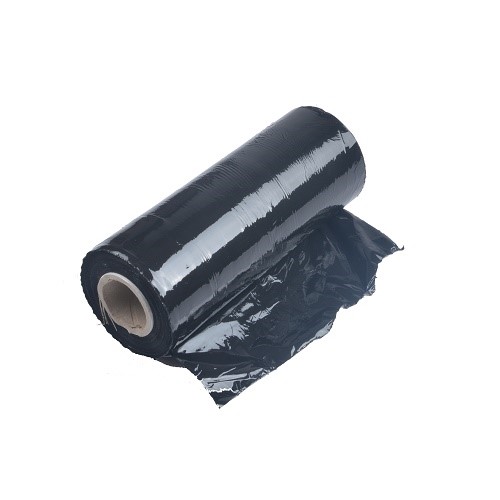
Stretch film wraps around packaged goods and holds together due to its adhesion to its own layers. However, the requirements for a package and a loaded pallet differ. A suitable foil and a controlled winding process help to complement the packaging meaningfully and avoid unnecessary material consumption.
Check packaging and foil before wrapping
A carton must already be closed and properly padded inside before wrapping it with stretch foil. The film does not replace a viable shipping carton or the closing of its flaps. Make sure that no sharp edges rise outwards. Also check whether the selected transport service provider accepts a foil wrap for this type of shipment.
Choose hand stretch film for manual processing and machine film only for a suitable winding system. Please note the information on roll width, material thickness and stretch. Packaging stretch film is not automatically intended for direct contact with food; for this purpose you need an expressly suitable film.
Envelope single packages evenly
Work on a free, stable surface. Insert the foil start on the carton and guide the roll evenly around the packaging. Overlay the layers so that open areas are avoided as much as possible. Pull only so strongly that the carton retains its shape. Pressed sides or deformed corners show that the pressure for this packaging is too large.
Cut the foil with a suitable cutting tool and press the end to an existing position. Keep the tool away from the content and from the other hand. Place the shipping label in a smooth, easy-to-read place; folds and hidden barcodes make processing difficult.
First prepare the loading unit for pallets
Check the condition of the pallet and place the packages in a stable position. Surpasses, damaged cartons and strongly different heights should be fixed before winding. The concrete winding plan depends on weight, shape, stackability and transport load. For recurring product combinations, a documented working instruction is worthwhile instead of a freely selected number of film layers.
Connect the lower packages to the pallet according to the intended procedure and then wrap the other areas with overlapping webs. Watch out for corners and the upper edge of the load. After wrapping, check whether the foil is damaged and whether the packages remain stable.
Evaluate winding results and material requirements
More foil does not automatically mean a suitable backup. The decisive factor is how well foil type, winding tension and charge fit together. Stretch film also does not replace the required load securing in the vehicle. Let the packaging be evaluated professionally with new or demanding loading units. Keep film residues separate from work paths and use the local collection route for disposal.
Edited after NEOPAK: Wrap packages and pallets with stretch foil.
Comments
No comments yet. Share your experiences on this topic.