
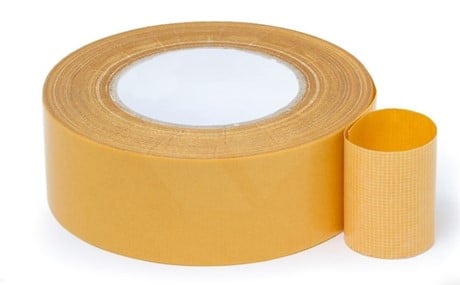
Double-sided adhesive tape reliably holds down decorations, signs and light components. However, when removing the adhesive, it may be left behind or the surface damaged. A gentle approach therefore begins with the question of which band sticks on which substrate.
First check, then solve
See if the tape has a special pull-off tab. Such systems are removed according to manufacturer’s instructions; an ordinary assembly belt cannot necessarily be solved the same way. In case of unknown material, check each method at an inconspicuous location. Old paint, wallpaper, soft varnishes and oiled wood react particularly sensitively.
Start at an accessible edge and pull slowly. A plastic tool can help with lifting. Metal blades, emery paper and strong scratching can cause lasting traces. The Processing instructions from tesa explain why speed, angle and bonding duration influence the removal.
Walls and wallpapers
On a painted wall, a lot of patience is needed. Do not pull back, because the coating can come along. Careful heating with a hairdryer can help with suitable tapes. Work with low heat and sufficient distance; finish the attempt when color or substrate changes.
Solvents or oil can draw into porous surfaces and leave stains. Grinding is a repair measure, which usually requires a new painting, and no method for an undamaged wall.
Glass, windows and plastic
On an uncoated glass pane, the adhesive can often be dissolved with a suitable cleaner. See its release and instructions for use. Frames, seals, coatings and adjacent surfaces require their own compatibility testing. Avoid large temperature differences and scouring aids.
Plastics differ greatly. A product that works on one plastic can cause another to dissolve or matte. Start with a soft cloth and a small amount of mild detergent if the surface tolerates water. For stubborn residues, use an expressly suitable adhesive remover. Acetone-containing nail polish remover is not a universally safe replacement for this.
Furniture, wood and vehicle paint
For lacquered or veneered furniture, follow the care instructions. Moisture shall not be allowed in joints or open wood surfaces. Although oil can dissolve certain adhesives, it can create permanent stains on absorbent material. Therefore, check heat and cleaners particularly carefully.
For vehicle paint, only products whose manufacturer releases the application in question are eligible. Fuels and aggressive solvents are not a reliable standard solution. For valuable or already damaged surfaces, a skilled removal is often more useful than several experiments.
Residue treatment
- Remove as much tape as possible mechanically without scratching the surface.
- Apply a suitable cleaner sparingly and keep the exposure time.
- Remove dissolved residues with a soft cloth.
- Clean and dry the surface after the care instructions before applying new tape.
The most gentle method is the one that fits both the adhesive and the surface. For temporary fastenings, choose a suitable removable belt when buying; a permanent mounting belt is often unsuitable for this purpose.
Comments
No comments yet. Share your experiences on this topic.