
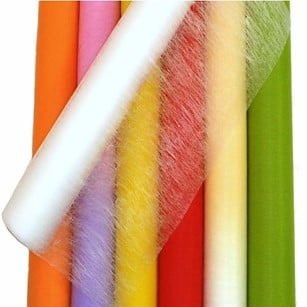
We encounter nonwovens when sewing, decorating, upholstery and in many technical applications. Unlike a woven fabric, they are made from interconnected fibers. The properties of the finished material depend on the fibres, the connection and a possible coating.
Differentiating nonwovens and nonwovens
In the Polish original, “flizelina” is used as a general name. In German: Nonwoven the appropriate generic term. Vlieseline, on the other hand, is a well-known brand for insoles and other sewing materials. Not every decorative fleece is a product of this brand, and not every nonwoven material serves the same purpose.
The fibers can be connected mechanically, thermally or with binders. Thickness, surface weight, stretchability and air permeability differ depending on the design. A thin decoration material and a technical building fleece are therefore not interchangeable.
Sewing and textile design
Insoles can stabilize garments on collars, cuffs and other places. There are special stabilizing nonwovens for embroidery work. Volume fleece can create a softer, padded effect. Check whether the material is sewn on, ironed or otherwise processed and whether it fits the outer fabric.
The manufacturer Vlieseline presents its assortment after various applications. The specific temperature, washing and processing instructions of the selected product have priority. A sample helps before you edit a larger area.
Upholstery and decoration
In furniture, suitable nonwovens can serve as an intermediate layer or cover. For upholstery work, abrasion behaviour, thickness and the entire structure count. Decoration fleeces, on the other hand, are primarily intended for an optical effect: as table decoration, floristic material or part of a gift design.
When crafting, suitable nonwovens can be cut, folded and fastened with suitable adhesives. Test whether colors discolor on other materials. Decorative nonwovens do not replace shock-absorbing transport padding just because they look soft.
Technical applications require the right product
- In the garden, cover fleeces, weed fleeces and other special materials differ in their properties.
- In construction, nonwovens can be part of a particular wall, sealing or reinforcement system.
- Medical products require their own characteristics and evidence; ordinary craft fleece is not an approved replacement.
Check before purchase
Define the task first. Then compare material composition, surface weight, format, color and workmanship. Should the fleece stabilize, decorate or serve as a technical layer? This question prevents mispurchasing. For packaging, it also counts whether the material is compatible with the content and whether it is exclusively used visually or actually has to perform a protective function.
Comments
No comments yet. Share your experiences on this topic.