
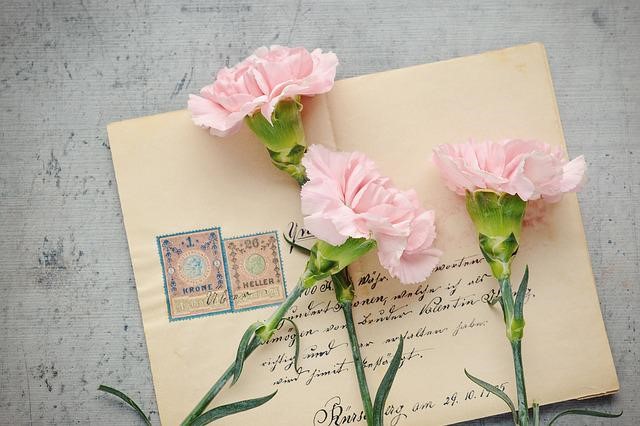
A self-folded envelope can complement a card or personal message appropriately. They determine paper, size and design themselves. To hand over by hand, it must close well and take up the content. If you want to send it by post, check the current requirements of the shipping service regarding format, closure and a well-readable address area.
Use the map as a starting point for the size
Place the card on a sufficiently large paper sheet and plan space around the folds. Tell the envelope to take the card loosely later. A cut that is too small is strained at the edges and can tear down when inserting. For a first attempt, simple residual paper is useful before cutting a decorative sheet.
Select paper that can be folded cleanly and fits the thickness of the card. Very thin sheets may show the content through, while very firm paper is hard to close to tight folds. If a smooth outside is desired, place it down accordingly when folding. Avoid damaged spots on the later closure flaps.
Connect lateral flaps and floor
Fold the left and right sides inwards so that there is enough space for the card between the folding lines. Then put the bottom tab up. It should partially cover the side flaps so that a closed bag is created. Carefully mark the folds and check whether the corners are perpendicular or symmetrical in a diagonal shape.
Connect the bottom flap only to the side flaps. Do not accidentally glue the entire inside together. An adhesive suitable for paper should dry completely before the card is pushed in. Even narrow adhesive strips are possible if they do not leave open, sticky spots inside. Check the seams with an insensitive test card.
Check the closure and the suitability for dispatch separately
Finally, fold the upper flap over the opening. For a personal transfer a small paper banderole or an easily detachable adhesive point can suffice. When sending mail, the envelope may not open during processing. Decorations, thick loops and outstanding parts can also make processing difficult and should be assessed separately when shipping.
A self-folded envelope is above all an individual envelope for paper content. It does not protect fragile small parts and does not replace a padded shipping bag. If necessary, leave a free, flat area for the address and check the finished outer dimension including the folds. For important documents or standardized shipments, a suitable finished envelope is often more practical.
Comments
No comments yet. Share your experiences on this topic.